

The key points at a glance
- Post-pill syndrome groups together the physical and emotional changes that can occur after stopping the contraceptive pill – but by no means everyone is affected.
- Typical symptoms include cycle irregularities, skin problems, mood swings, digestive issues and sometimes a loss of libido. The complaints often appear after about three months.
- How long the symptoms last varies from woman to woman: some need up to twelve months to return to normal, and symptoms can persist for up to a year.
- Persistent or severe complaints should be assessed by a doctor. A balanced diet, stress management and exercise form the basis of support.
What exactly is post-pill syndrome?
Post-pill syndrome – sometimes also called post-birth-control syndrome – is a colloquial umbrella term for various physical and emotional changes that can occur after stopping hormonal contraceptives such as the contraceptive pill. It is not a clearly defined medical condition, and scientifically the topic is still only sparsely researched – partly because many aspects of women's health were long under-studied. Nevertheless, some studies suggest that the cycle can change after coming off the pill.
Important to understand: symptoms are often merely suppressed by taking the pill and flare up again after stopping. Anyone who took the pill for acne, for example, may find that skin problems return. It is precisely this link that makes post-pill syndrome such a complex and highly individual phenomenon – some people are strongly affected, others notice nothing at all.
These symptoms can take months to appear. They are usually complaints you may already have experienced before hormonal contraception, together with a few new ones. Don't be afraid of them: in the vast majority of cases, post-pill syndrome is temporary.
How does the pill work? A look at the hormone balance
To understand the changes, it helps to look at how the pill works. Hormonal contraceptives interrupt the menstrual cycle and prevent ovulation – which is exactly why they work as contraceptives in the first place. While you are taking them, there is also no real period: during the pill break, only a withdrawal bleed occurs.
It is therefore only after stopping that you see how your natural cycle actually runs without added hormones. The body has to ramp its own hormone production back up – and that takes time. In addition, during intake the body's natural hormones are replaced by synthetic ones that do not have the same effect. Among other things, this can affect the liver, gut and thyroid.
Post-pill syndrome: positive effects after stopping
Let's start with the good news. Besides the benefit of no longer supplying the body with synthetic hormones, many women report positive changes:
- More energy: When the metabolism runs normally again, energy levels often improve too.
- Better mood & sleep: Many notice that inner restlessness eases and they sleep more calmly.
- Libido: Sexual desire, which may have declined while on the pill, returns for many.
- Lower thrombosis risk: The increased thrombosis risk associated with taking the pill drops again after stopping.
Coming off the pill: side effects and symptoms in detail
The symptoms of post-pill syndrome are highly individual and may occur, but don't have to. The complaints often only appear after about three months. How long they last differs from woman to woman: for many, the hormone balance settles within a few months, some women need up to twelve months to return to normal – and certain symptoms can persist for up to a year.
1. Cycle irregularities & amenorrhoea
A very common symptom is irregular cycles or the absence of a period (amenorrhoea). If your periods were regular before, the cycle usually normalises within about three months. If it was irregular before, it can take longer for your period to return.
2. Menstrual pain & heavier bleeding
Anyone who took the pill because of heavy bleeding or menstrual pain is often back at square one after stopping – because the pill was a kind of lid on the symptoms, not a treatment of the cause.
3. Skin problems (post-pill acne) & PCOS
Women who had acne before the pill and used it as a "treatment" are more likely to experience post-pill acne. A phase with elevated male hormones is also possible, which can resemble PCOS – especially after pills with certain progestogens. These effects are often temporary.
4. Mood swings
The pill influences the "communication" between the brain and the ovaries. After stopping, this connection needs time to readjust – and in the meantime, mood swings are possible. Be patient and kind to yourself.
5. Digestive issues, bloating & water retention
The digestion and gut often react to the changeover as well. Bloating and water retention can occur after coming off the pill, as can a feeling of fullness or irregular bowel movements. This often improves once the body has broken down the synthetic hormones.
6. Loss of libido
While many experience a return of libido, others initially report a loss of libido. Here too: the reaction is highly individual.
The important distinction with post-pill syndrome: rebound effect or masked illness?
One point that is often overlooked: not everything that appears after stopping is automatically post-pill syndrome. Two things need to be distinguished:
The rebound effect. Complaints that the pill masked for years – such as acne or menstrual pain – return because the actual cause was never treated. The pill is not a cure; it acts more like a plaster on an unhealed wound. Remove the plaster, and the wound is usually still there.
The masked condition. Sometimes the pill merely concealed an existing illness. PCOS, for example, is not caused by the pill but can become visible for the first time after stopping. An underactive thyroid, an iron deficiency or stress can also cause similar symptoms.
That is why: don't hastily attribute everything to post-pill syndrome. Persistent or severe complaints should be assessed by a doctor in good time – this is the only way to find the right cause.
When to see a doctor? And which lab values you should have checked with post-pill syndrome
Not every change needs immediate medical assessment – a little patience is part of the process. In certain cases, however, a visit to the gynaecologist makes sense, for example when:
-
the period is absent for longer than three months,
-
very severe menstrual pain, pronounced skin problems or hair loss occur,
-
persistent psychological complaints exist,
-
or there is a desire to have children and the cycle remains irregular.
Which lab values can be useful. A reliable diagnosis can only be made by medical professionals. Frequently checked are, for example, hormone status (including oestrogen, progesterone, testosterone), thyroid values (indication of an underactive thyroid), iron or ferritin, and the vitamin D level. An ultrasound of the ovaries can provide additional insight. This makes it possible to distinguish post-pill syndrome from other causes.
Experiences & natural support: what to do about post-pill syndrome?
Many women report similar experiences – and that, with a little patience, the body settles down again. You can support the process on several levels. Preparation is possible even before stopping: top up nutrient stores, drink enough and pay attention to good digestion.
Tips for everyday life
- Diet as a foundation: balanced and plant-focused – with green leafy vegetables, pulses, whole grains, nuts and seeds.
- Reduce stress: stress-management techniques such as breathing exercises, yoga or conscious breaks can help to ease symptoms.
- Keep moving: regular exercise supports metabolism and well-being in everyday life.
- Observe your cycle: a tracker or diary helps you recognise patterns and progress.
Keeping an eye on micronutrients
Especially with a one-sided or vegan diet, it's worth looking at your intake to prevent a deficiency. A few nutrients with authorised claims:
- Vitamin B6 contributes to the regulation of hormonal activity and to normal psychological function. (Learn more about vitamin B)
-
Magnesium contributes to normal psychological function and to a reduction of tiredness and fatigue.
-
Zinc contributes to the maintenance of normal skin and to normal fertility and reproduction.
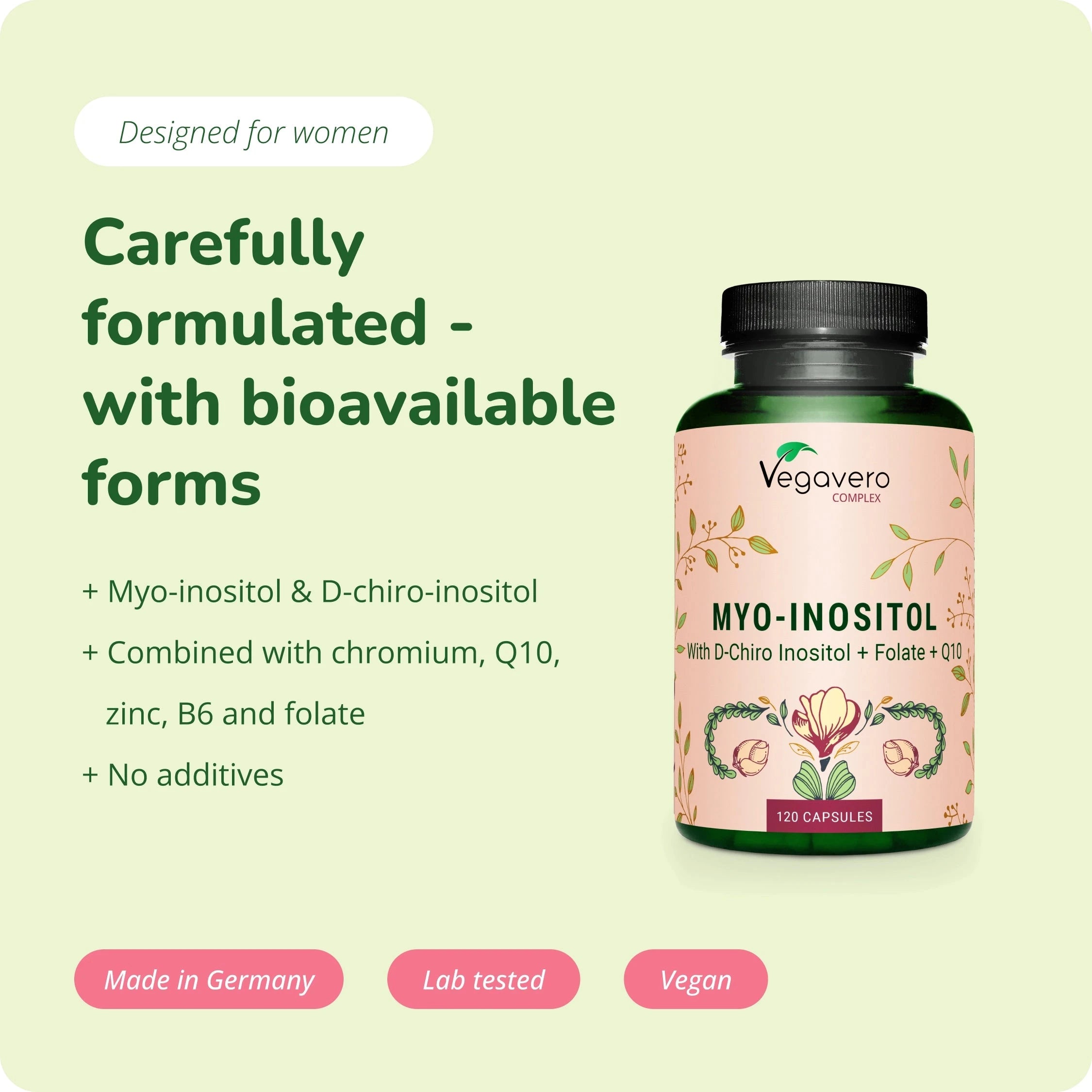
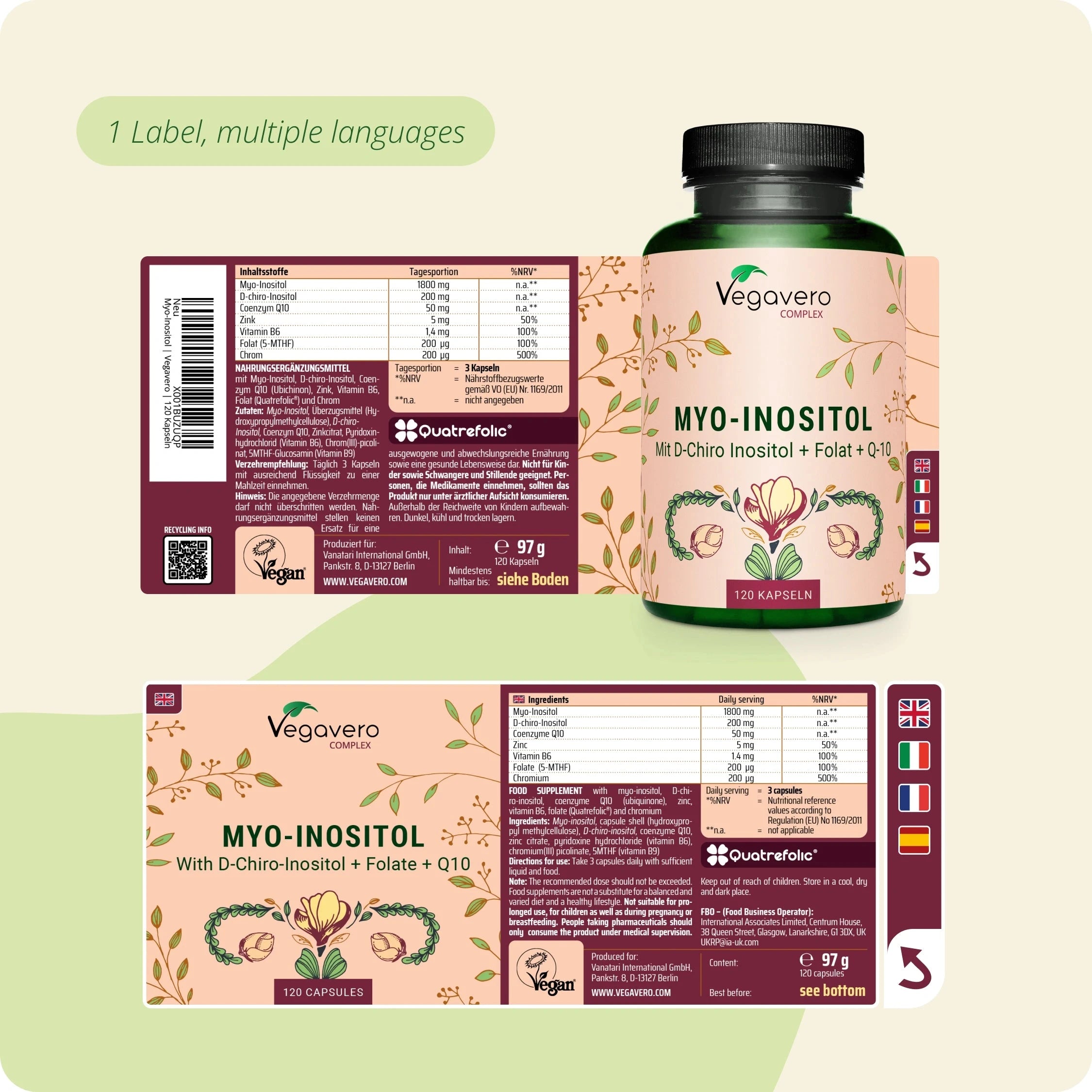
During this phase, many women are also interested in the ingredient inositol – you'll find background information on our ingredient page. For a desire to have children and in family planning, folate (folic acid) is often recommended; it's best to clarify the appropriate intake with your doctor.
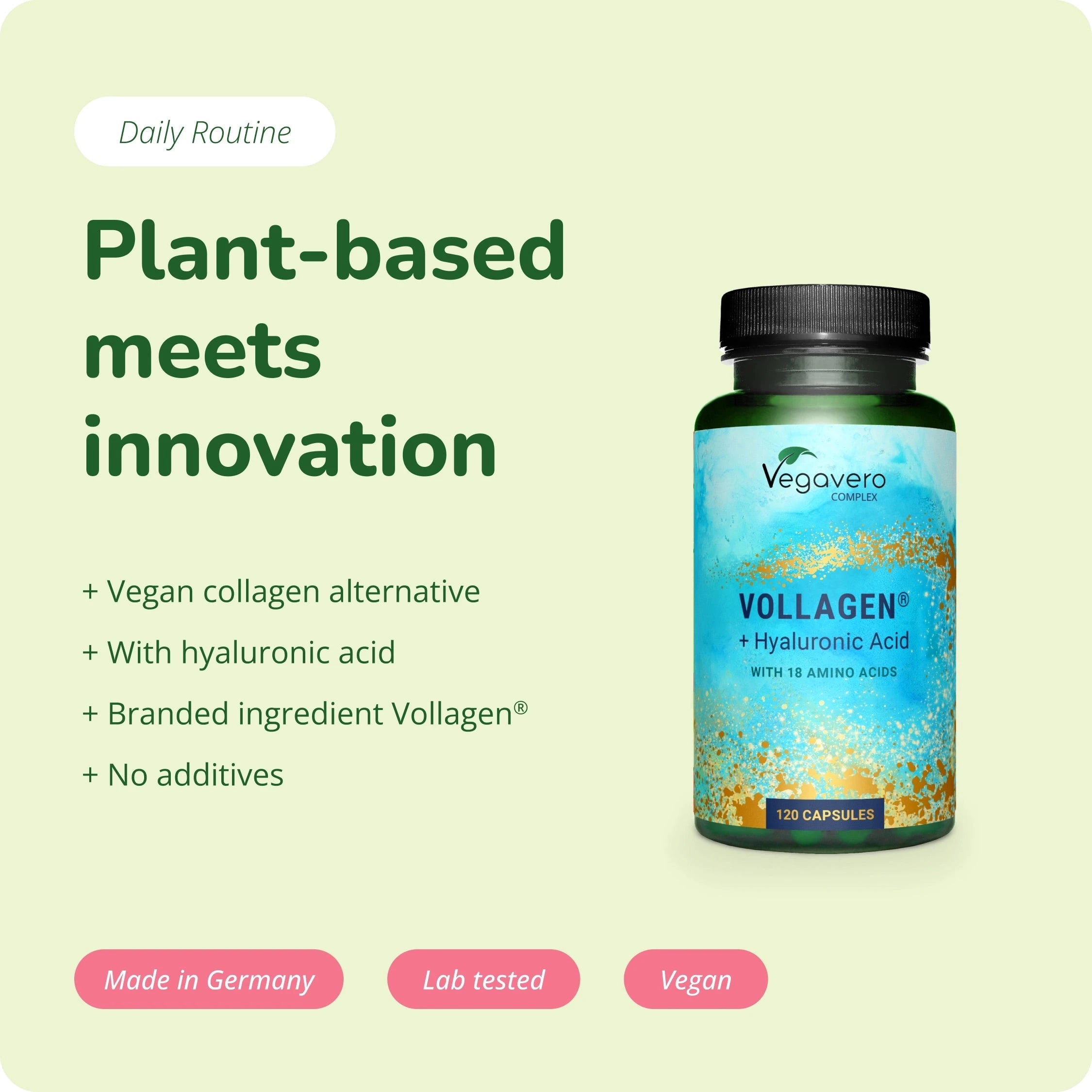
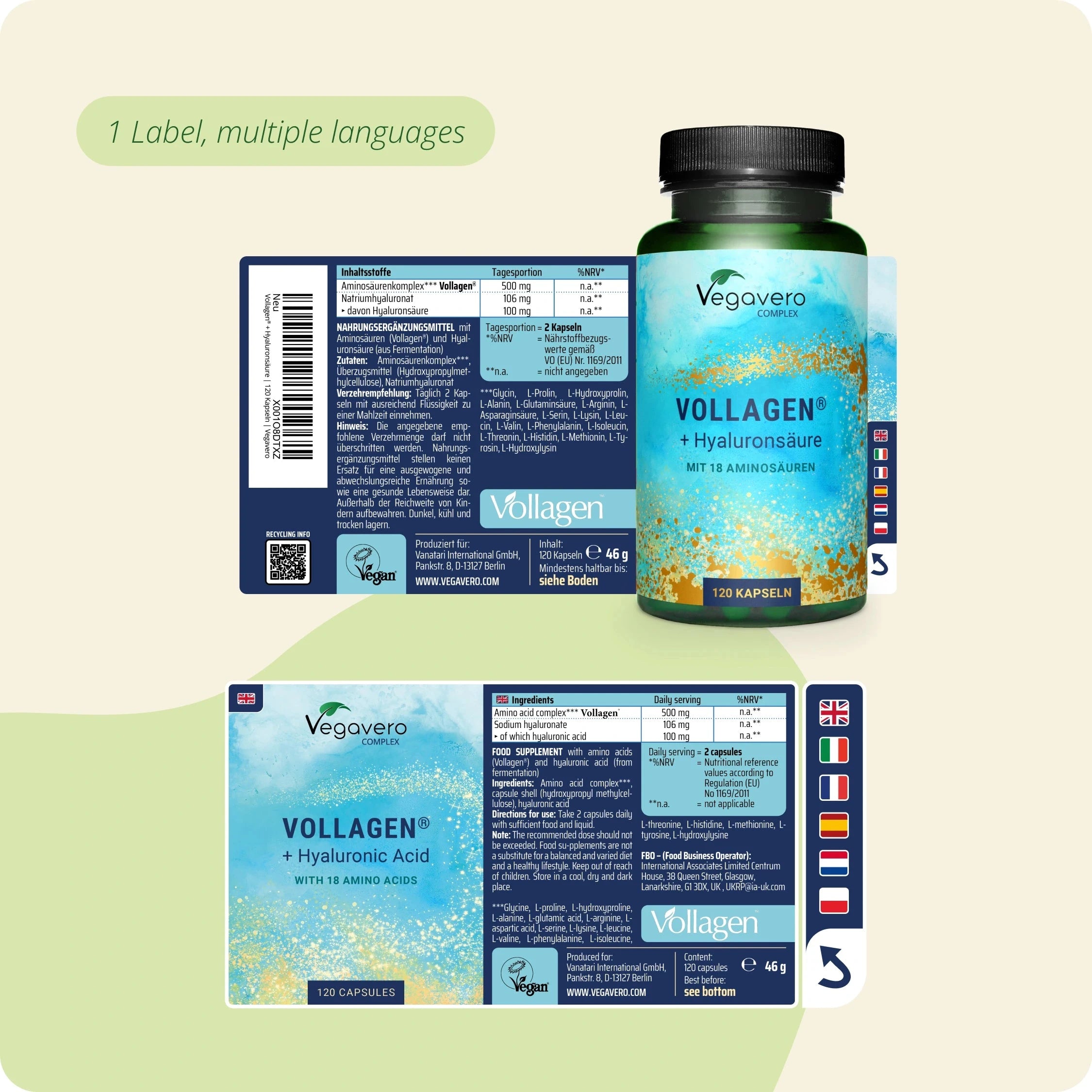
You'll find an overview of suitable products in the Female Health and Hormonal Balance categories. If you have digestive issues, it's worth taking a look at Bacterial Cultures & Digestive Aids.
Conclusion on post-pill syndrome
Post-pill syndrome is a real but highly individual phenomenon – and in the vast majority of cases temporary. Give your body time to bring its own hormone production back into balance. A balanced diet, stress management and exercise form the basis; if complaints persist or are severe, have them assessed by a doctor. That way you make a well-informed decision – for yourself and your body.
Frequently asked questions about post-pill syndrome
What is post-pill syndrome?
A colloquial umbrella term for physical and emotional changes that can occur after stopping hormonal contraceptives such as the contraceptive pill. It is not a clearly defined medical condition, and not everyone is affected.
How long does post-pill syndrome last?
The duration varies from woman to woman. Complaints often appear after about three months; for many, the hormone balance normalises within a few months, while some need up to twelve months. Symptoms can persist for up to a year.
Which symptoms occur after coming off the pill?
Frequently mentioned are cycle irregularities and amenorrhoea, stronger menstrual pain, skin problems, mood swings, digestive issues with bloating and water retention, and a changed libido.
Is post-pill syndrome the same as PCOS?
No. PCOS is a distinct hormonal condition that is not caused by the pill – but it can become visible after stopping. If PCOS is suspected, a doctor should make the diagnosis.
When should I see a doctor after stopping?
Among other things, when the period is absent for longer than three months, very severe complaints occur, or, if you wish to have children, the cycle remains irregular. In that case, hormone status, thyroid values and an ultrasound, among others, are useful.
Can I get pregnant straight after stopping?
Ovulation usually returns, but the timing is individual. With an irregular cycle, it can take a while. For family planning, it's advisable to discuss your intake – of folate, for example – with your doctor.
Sources:





Hormonal Imbalance: 8 symptoms to be aware of
Ayurvedic Medicine: What is it and how can it help you?