

Veganism: History & Foundations of a Lifestyle
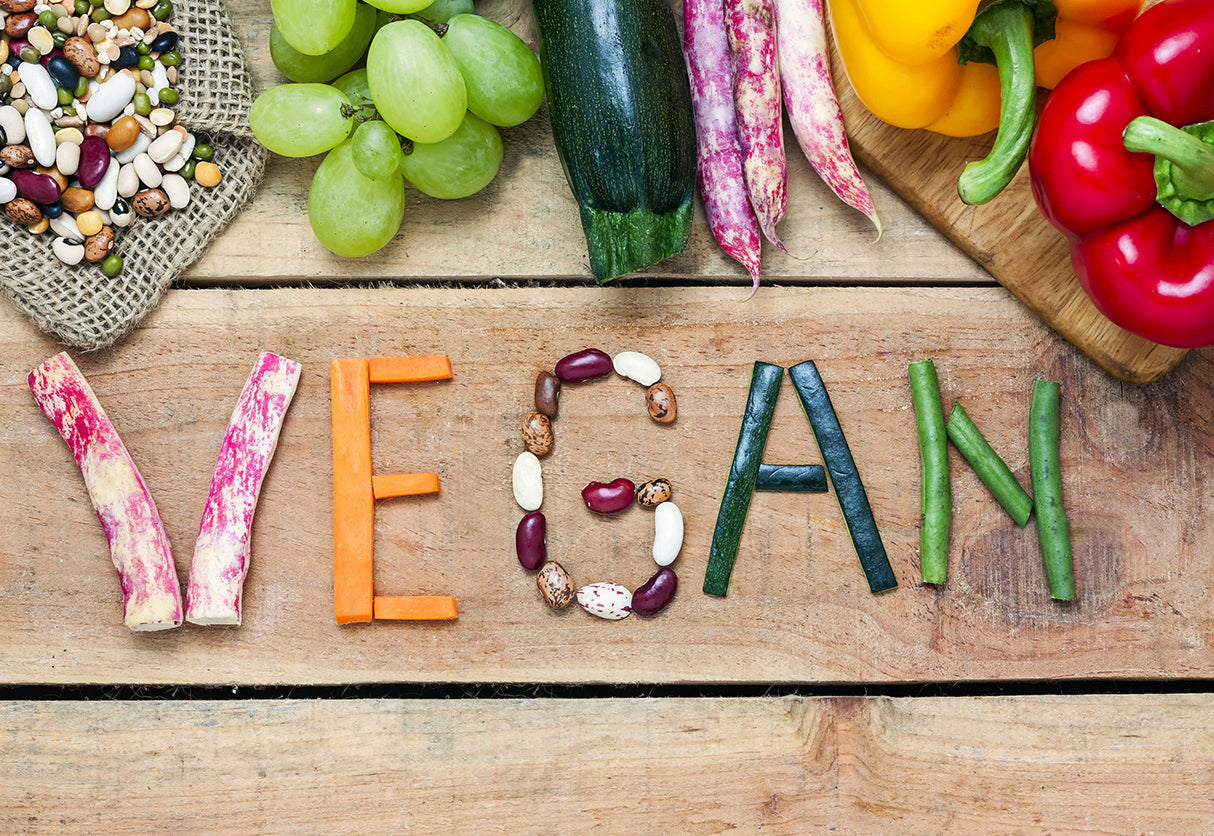
November 1st marks World Vegan Day, a holiday that celebrates a lifestyle which consumes no animal products. In this article we get to the bottom of the origins of veganism, clarify the most important terms and show what matters in a vegan way of life.
The Key Points at a Glance
-
Veganism is more than a way of eating: as a lifestyle, it avoids the use of animal products – in nutrition as well as in clothing, cosmetics and other areas.
-
The term "vegan" was coined in England in 1944 by Donald Watson, who founded the Vegan Society in the same year. In 2023, around 1.5 million people in Germany described themselves as vegan.
-
The most common motivations are animal ethics, the environment and health. A balanced vegan diet often contains more vegetables, fruit, legumes and whole grains.
-
Good planning is important: certain individual nutrients are critical – above all vitamin B12, and also, among others, vitamin D, omega-3, iron and calcium.
What Is Veganism? Definition & Distinction
Veganism is a way of eating and living that emerged from vegetarianism. The Vegan Society defines it as a philosophy and way of living that – as far as is possible and practicable – avoids the use of animal products and promotes the development of animal-free alternatives.
Put simply, a vegan lifestyle does without any animal products. This includes the obvious ones such as meat, dairy products, fish, eggs, fur and leather, but also gelatine, feathers (often used as filling material for pillows and jackets) or animal-derived colourants (sometimes obtained from cochineal scale insects for cosmetics), to name just a few.
A vegan way of life does not end on the plate. Followed consistently, products of animal origin in other areas also fall away: clothing made of leather, wool or silk, as well as honey, down or cosmetics that contain animal substances or were tested on animals. Exactly where someone draws the line on the use of animals is a personal decision – the range extends from simply abstaining from consuming them to avoiding animal materials in all areas of life.
The Origins of Veganism
Before the term "vegan" even came about, early concerns about animal welfare began to emerge, particularly within religions in various parts of the world. This idea was first mentioned around 500 BC by Pythagoras; yes, the one who brought us the famous mathematical theorem under his name. He advocated for kind treatment of all species because he believed that animals are reborn after their death. Many religions that originated in Asia, such as Buddhism, Hinduism and Jainism, have likewise shown ideas of not harming any species; even when it comes to food.
The Western world took somewhat longer to discuss similar ethical questions. The first vegetarian society was organised in England in 1847. The founder of Graham crackers was the American counterpart in 1850.
All these historical facts certainly show progress; yet it took almost a century for the term "vegan" to be coined by Donald Watson, a Briton who did not identify as a vegetarian because he ate neither eggs nor dairy products. Watson coined the term in England in 1944 – put together from the beginning and the end of the word "veg-etari-an" – and founded the Vegan Society in the same year. The anniversary of its founding, November 1st, is still celebrated today as World Vegan Day.
When Watson formulated veganism, he also created a newsletter that was initially distributed to only 25 people. When he died at the age of 95, there were 250,000 people in the United Kingdom and 2 million in the USA who identified as vegan. Veganism has long since ceased to be a short-lived trend: in 2023, around 1.5 million people in Germany alone described themselves as vegan – a figure that has been rising over the years.
Why Vegan? The Most Important Motivations
As varied as the followers of veganism are, so diverse are their motivations. Three motives play the biggest role: the protection of animals, environmental considerations and health aspects. The most frequently cited is ethical motivation – the desire to reduce harm to animals and to reflect on one’s consumption of animal products.The following sections take a closer look at these three perspectives.
Vegan for Health
We are told again and again that on a plant-based diet we would have many nutrient deficiencies. In fact, however, a balanced vegan diet is richer in certain essential nutrients such as fibre, antioxidants, potassium, magnesium, folate and vitamins A, C and E than a "conventional" diet, owing to a greater amount of fruit, vegetables, nuts, seeds, beans and whole grains.
The health benefits of a plant-based diet have been examined in various scientific studies and praised by well-known experts and doctors such as Dr. Greger and Dr. McDougall in documentaries such as "Fork Instead of Scalpel" and scientific books such as "The China Study." Doing without animal products in favour of a complete, plant-based diet thus has a positive influence on the composition of gut bacteria [1] and on digestion in general, and has been shown to be associated with a reduction in the risk of obesity, diabetes and cardiovascular diseases [2, 3, 4, 5]. Anti-inflammatory effects in arthritis patients have also been demonstrated through a vegan diet [6]. And who would have thought that a plant-based diet has a positive influence on our body odour [7]?
More recent observational studies also point in this direction: a well-planned vegan diet is associated with a lower risk of type 2 diabetes mellitus and heart disease. People who eat a vegan diet also frequently show better cholesterol values in such studies and are less often affected by being overweight. It is important to note here: what is decisive is the balanced composition, not merely leaving out animal products.
Note: "Vegan for Health" is grouped here under the main section "Why Vegan?" — see the layout note below if you'd rather it be an H2.
Vegan for the Environment
A vegan lifestyle is associated with a lower environmental footprint compared to many other dietary patterns. Because growing plants requires far fewer resources than animal husbandry, people who eat a vegan diet tend to place less strain on the environment. Doing without animal products can therefore help to conserve natural resources.
Beyond this, the high land requirements as well as the air and water pollution from animal husbandry, along with the high water consumption, should be mentioned. In producing animal products, water consumption is roughly 100 to 1,000 times higher than for plant-based foods. The ratio of water consumption to 1 kg of beef is about 15,000 litres of water and 15 kg of grain. The consumption for potatoes is only 100 litres of water per 1 kg – a clear, outstanding difference. More than 90% of the world's agricultural land is also used directly or indirectly for animal husbandry.
Animal production is also right at the top of the list when it comes to the production of greenhouse gases. The production of 1 kg of beef alone causes – depending on the calculation – up to 28 kg of greenhouse gases. Climate-damaging methane is produced during the natural digestive process (fermentation) of ruminants and during the storage of manure. Around 60% of total methane (CH4) emissions in Germany come from agriculture. In 2017, German agriculture was responsible for a total of over 66 million tonnes of carbon dioxide (CO2) equivalents, which corresponds to 7.3% of total greenhouse gas emissions [8]. Overall, the environmental pollution from industrial animal husbandry thus makes a considerable contribution to climate change.
Vegan for the Animals
"Animals, like man, feel joy and pain, happiness and misery; they are affected by the same emotions as we are." – Charles Darwin
According to the Federal Ministry of Food and Agriculture, the average German consumes more than 60 kilograms of meat per year. This means that general meat consumption in Germany has quadrupled compared to 1850 [9].
For many people who choose veganism for ethical reasons, respect for animals is central: they want to avoid contributing to animal suffering. How animals are kept and treated in modern agriculture is also an important consideration for them. For those who feel this way, a plant-based lifestyle is a way of bringing their everyday choices into line with these values.
What Does a Healthy Vegan Diet Look Like?
The world's largest organisation of nutrition scientists agrees: a vegan diet is suitable for all age groups. However, a certain amount of knowledge and planning is necessary in order to avoid a nutrient deficiency. The motto is: a wide selection of whole, plant-based foods.
There are certain critical nutrients to watch out for. Vitamin B12 is the most important nutrient. Since it occurs only in animal foods, vegans should supplement B12 with dietary supplements. In practice, this is one of the nutrients that is most commonly supplemented in a vegan lifestyle. Vitamin B12 contributes to the normal function of the nervous system, to a normal energy-yielding metabolism and to the reduction of tiredness and fatigue.
You can find more information on our vitamin B ingredient page as well as in our blog post on vitamin B12.
Vitamin D can also be critical on a vegan diet: since the body produces it primarily via sunlight and it hardly occurs in (plant-based) foods, a vegan diet – like a mixed diet in the winter months – can contribute to a deficiency. Vegan vitamin D3 is now obtained from lichen instead of from wool grease. Vitamin D contributes to the normal function of the immune system and to the maintenance of normal bones.
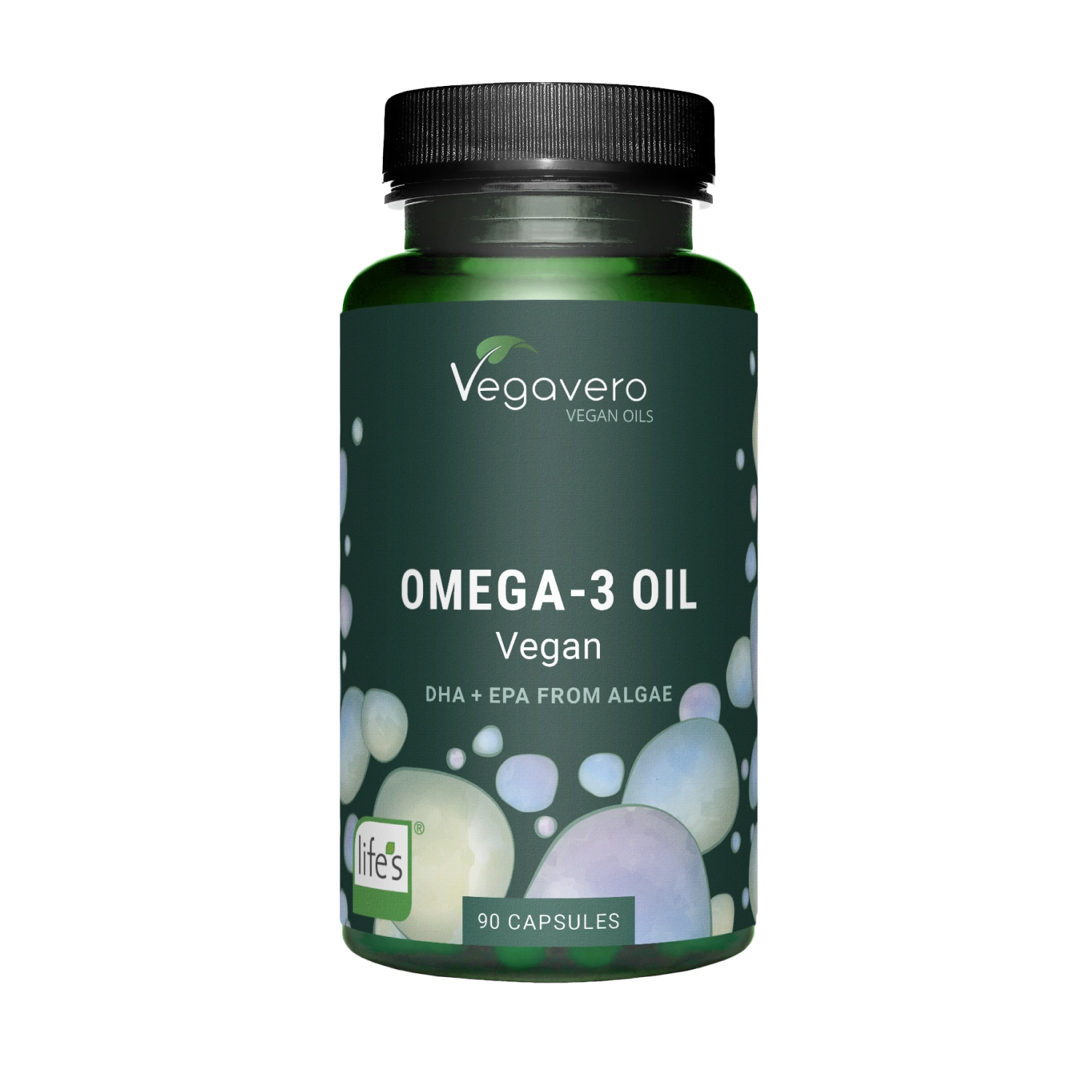
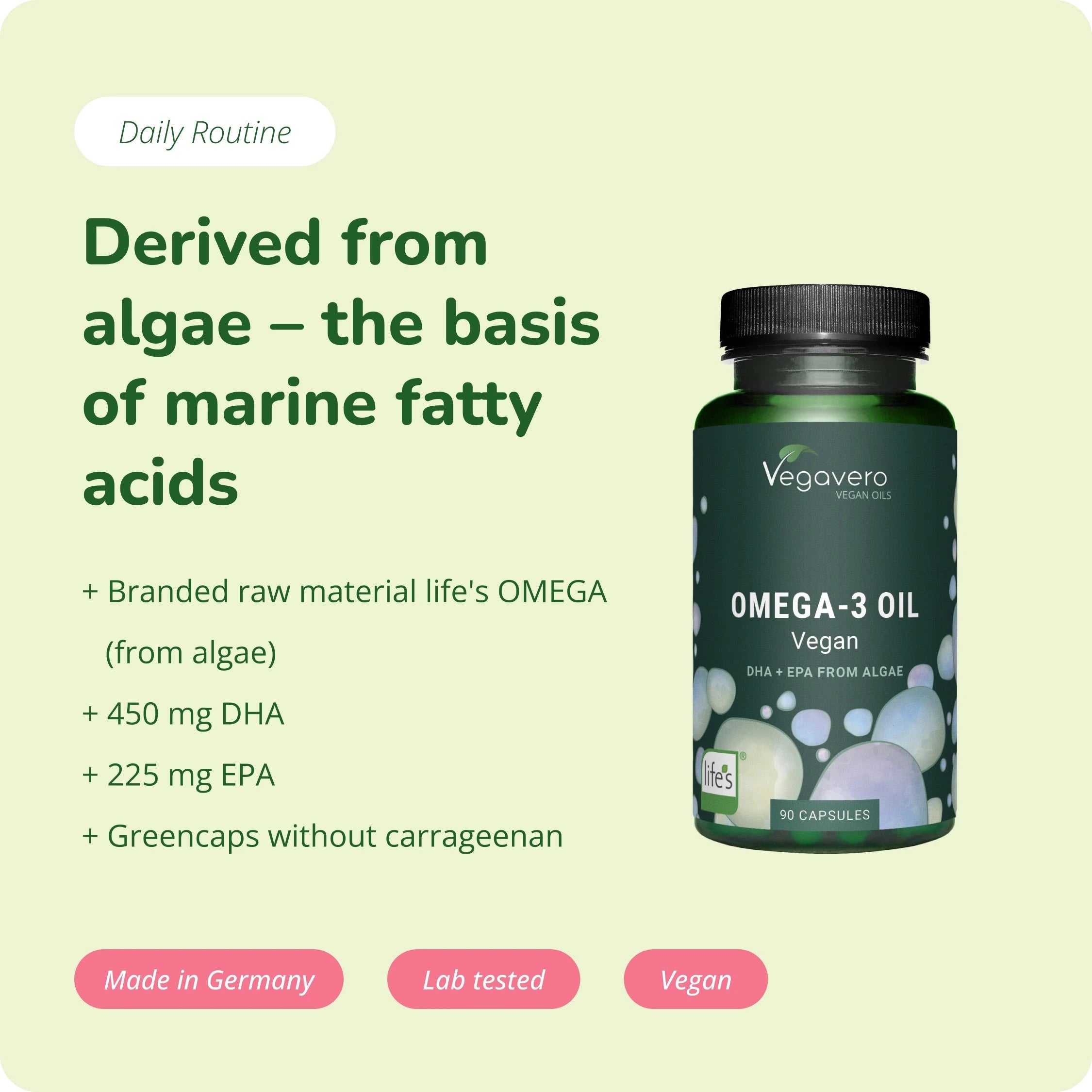
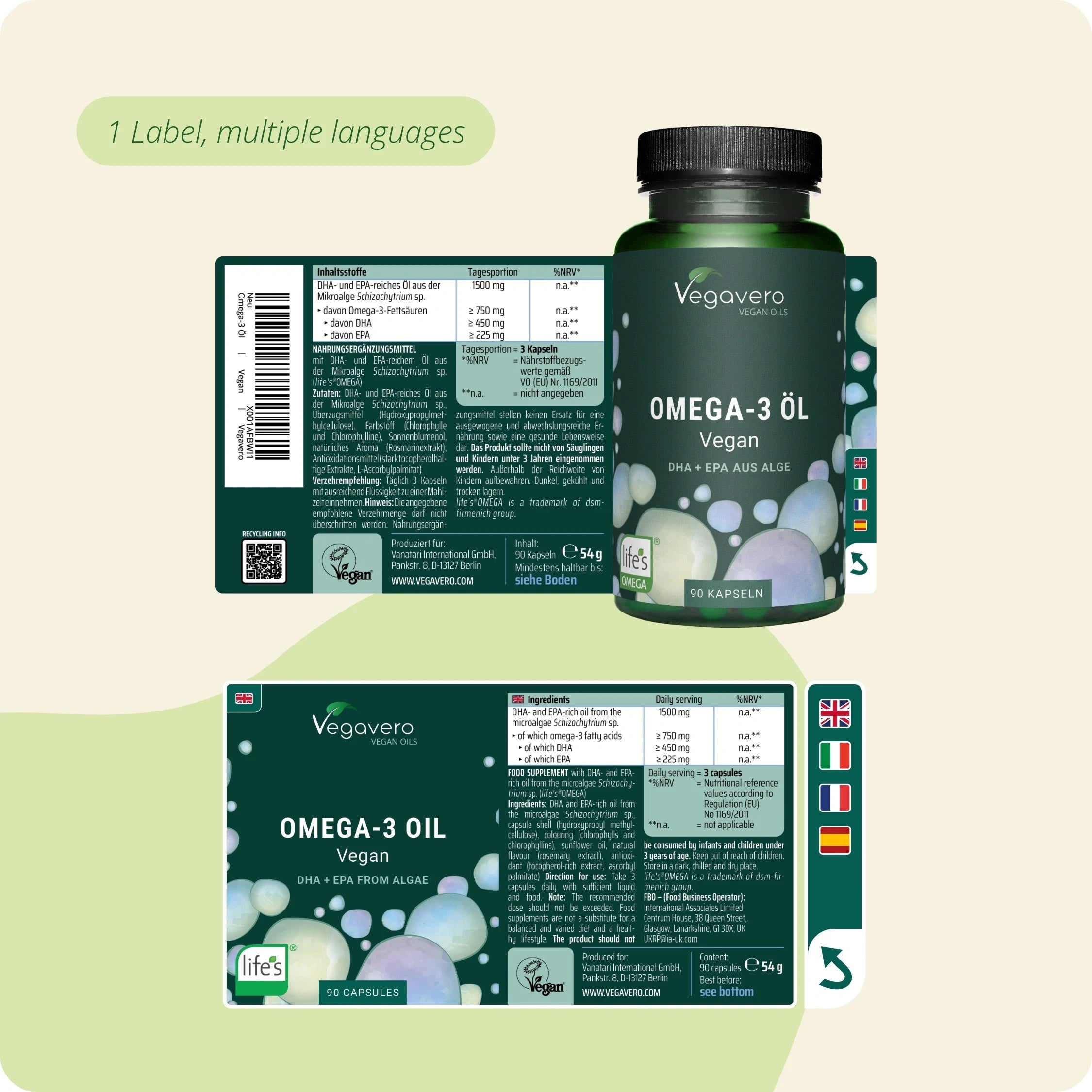
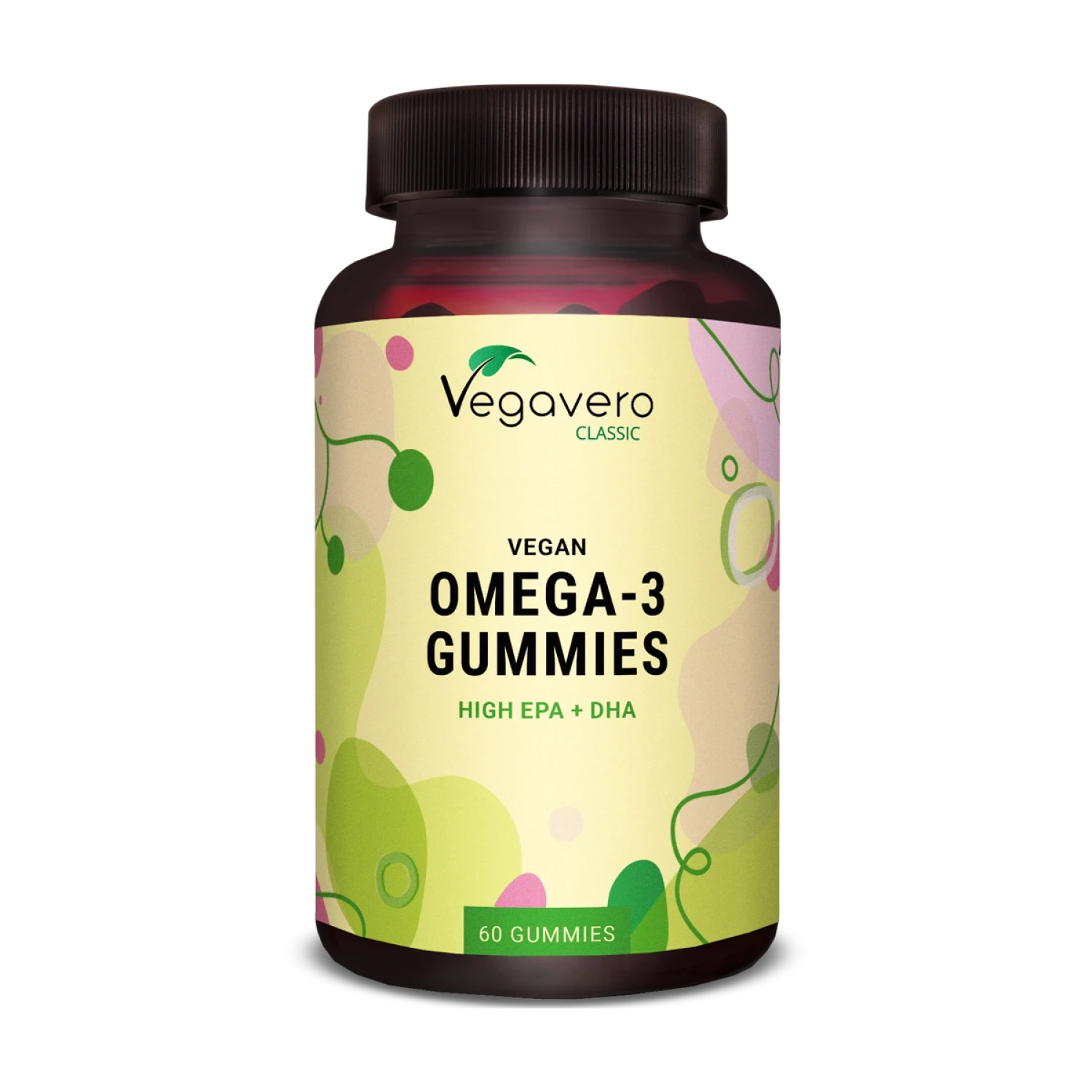
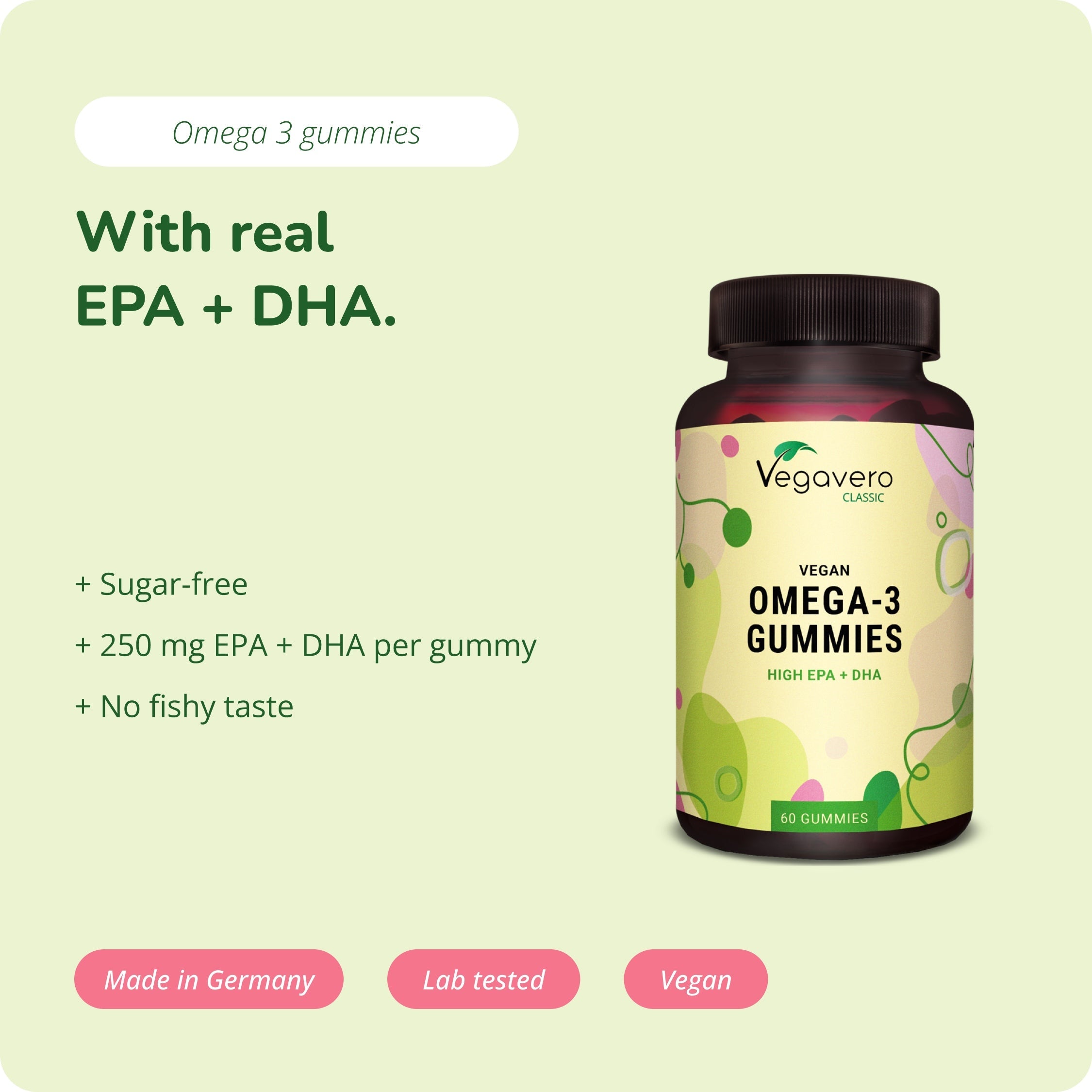
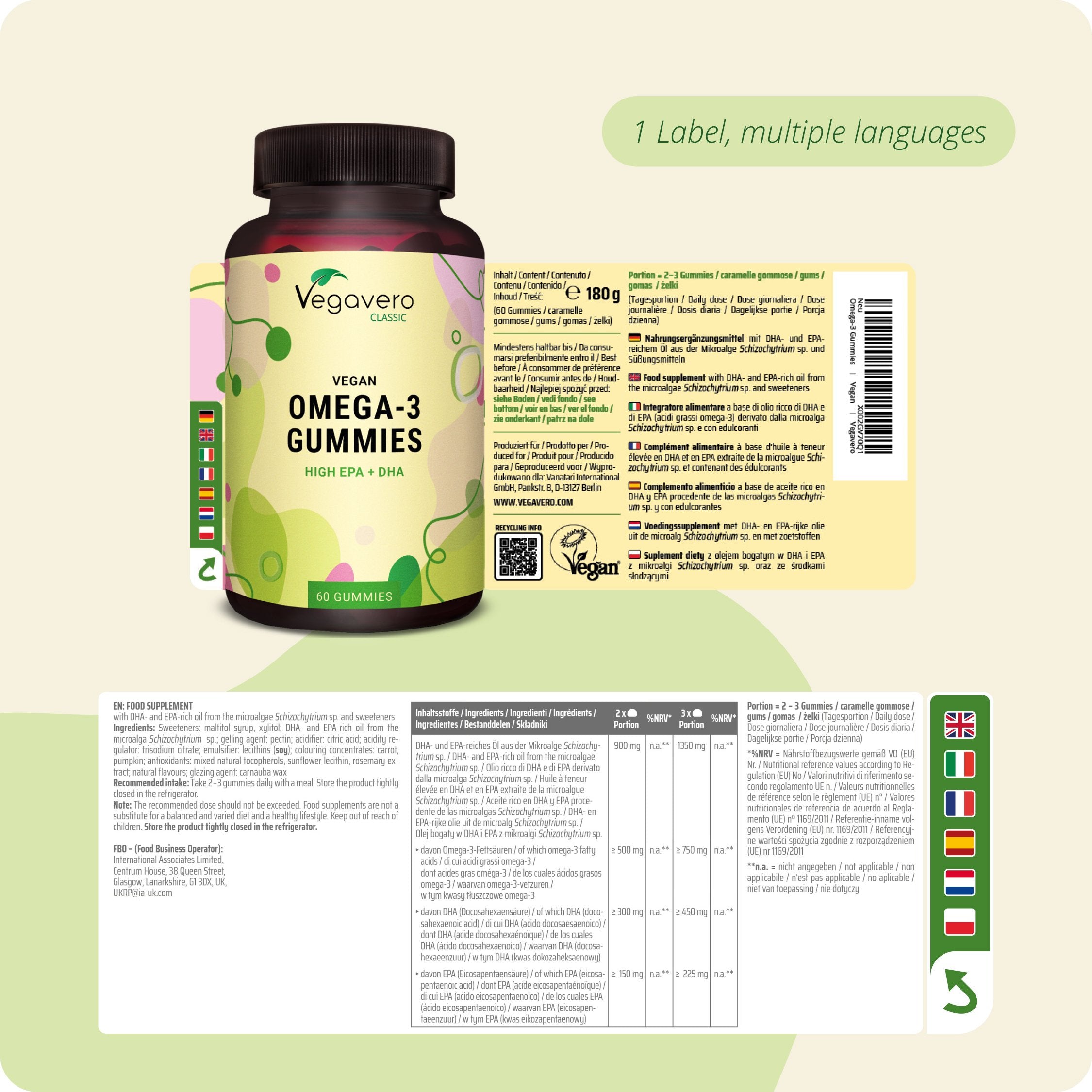
In addition, the supply of essential omega-3 fatty acids can be critical on a vegan diet. However, you don't have to eat fish to get enough. Flaxseed, hemp and chia seeds as well as walnuts also provide sufficient amounts of omega-3 when integrated into the diet daily; algae oil is suitable as a direct source of DHA. DHA contributes to the maintenance of normal brain function (with a daily intake of 250 mg).
Calcium and iron are also discussed as critical nutrients in the vegan diet. But these too are easy to obtain from plant-based nutrients, e.g. with sesame or tahini, green leafy vegetables, tofu, broccoli and bell pepper.
Veganism: Where to Start? Tips for Getting Started
Overall, a plant-based diet requires a little planning at first – and a little patience, because every change takes time. This way you can ensure that you get all the necessary basic nutrients. Even though they are not recommended in the long term, plant-based alternatives such as vegan sausages and vegan cheese can make getting started somewhat easier. The main focus, however, should be on vegetables, fruit, whole grains, legumes as well as seeds and nuts. A regular, good mix of all these food groups supplies the body with exactly what it needs. The result is a varied diet that is filling and satisfying.
With the amount of vegan blogs, YouTube channels and websites nowadays, vegan cooking is certainly not boring – on the contrary, you always discover something new (even as an experienced vegan)!
Tips for getting started:
-
Switch over step by step rather than overnight.
-
Read labels – animal ingredients also hide in the use of gelatine, carmine (E120) or whey.
-
Supplement B12 from the very beginning and keep an eye on the supply of vitamin D, omega-3, iron and calcium.
-
Stay curious and try out new foods, spices and recipes.
Conclusion
Veganism is far more than a dietary trend: a way of life with a long history that connects ethical, ecological and health-related motivations. Anyone who does without animal products can reduce their ecological footprint – and, with a little planning, supply themselves in a balanced way. What is decisive is a colourful, whole-food selection and a conscious approach to critical nutrients such as vitamin B12 and vitamin D.
Frequently Asked Questions About Veganism
What does vegan actually mean exactly?
Vegan means doing without all products of animal origin – in nutrition (meat, fish, milk, eggs, honey) and usually beyond that too, for example with clothing made of leather, wool or silk as well as with cosmetics containing animal ingredients or involving animal testing.
What is the difference between vegan and vegetarian?
Vegetarians do without meat and fish but still consume milk, eggs and honey. Vegans additionally avoid all other animal products and often also the use of animals in other areas.
Where does the term "vegan" come from?
It was coined in England in 1944 by Donald Watson, who founded the Vegan Society in the same year. The word derives from "veg-etari-an."
Is a vegan diet healthy?
Nutrition professional associations consider a well-planned vegan diet suitable in principle for all age groups. It is important to specifically account for critical nutrients – above all vitamin B12.
Which nutrients are critical on a vegan diet?
Above all vitamin B12, and also vitamin D, omega-3 fatty acids, iron, calcium, iodine, zinc and protein. B12 should be supplemented; the rest of the supply can be ensured through a varied selection and, where appropriate, targeted supplementation.
Is veganism good for the environment?
A plant-based diet generally requires considerably less water and land than animal foods and is associated with lower greenhouse gas emissions – it thus makes a contribution to a smaller ecological footprint.
Sources
[1] Tomava et al., The effects of vegetarian and vegan diets on gut microbiota. Front Nutr. (2019)
[2] Campbell et al., Evaluation of an eight-week whole-food plant-based lifestyle modification program. Nutrients. (2019)
[3] Barnard et al., A low-fat vegan diet and a conventional diabetes diet in the treatment of type 2 diabetes: a randomized, controlled, 74-wk clinical trial. Am J Clin Nutr. (2009)
[4] Najjar and Montgomery, A defined, plant-based diet as a potential therapeutic approach in the treatment of heart failure: A clinical case series. Complement Ther Med. (2019)
[5] Kahleova et al., A plant-based high-carbohydrate, low-fat diet in overweight individuals in a 16-week randomized clinical trial: the role of carbohydrates. Nutrients. (2018)
[6] Alwarith et al., Nutrition interventions in rheumatoid arthritis: the potential use of plant-based diets. A review. Front Nutr. (2019)
[7] Havlicek and Lenochova, The effect of meat consumption on body or attractiveness. Chemical Senses (2006)
[8] Federal Environment Agency: Agriculture's contribution to greenhouse gas emissions (https://www.umweltbundesamt.de/daten/land-forstwirtschaft/beitrag-der-landwirtschaft-zu-den-treibhausgas#textpart-1) (as at 24.10.19)
[9] Statistical Yearbook on Food, Agriculture and Forestry, Table 208, "Consumption of food products per capita".






Food waste: A social, environmental, economic problem, but also yours
Vegan Alternative to Collagen: All you need to know